
No more empty wards
Uganda’s journey toward reliable oxygen for all

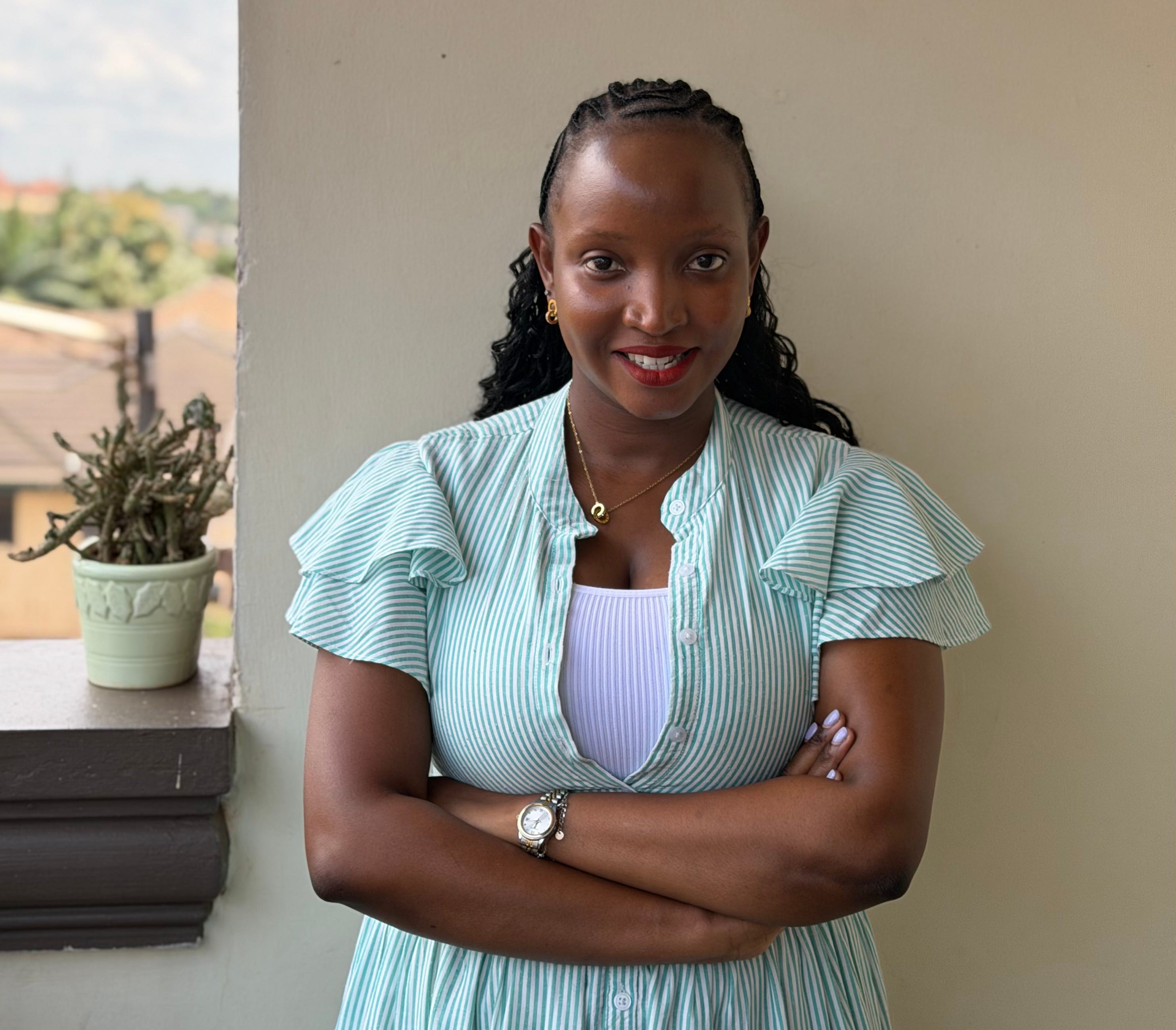
On a bright afternoon along a busy Kampala street, Sheillah Bagayana speaks into her phone, mounted on the dashboard, as she winds through the traffic. She reflects on a journey that began almost a decade ago, fresh out of Makerere University. Her first assignment was both daunting and heartening: managing Uganda’s very first pilot oxygen plant at a regional referral hospital.
“It was an incredible opportunity. But I quickly saw that having a plant didn’t mean patients would reliably get oxygen. One night the power went out. By morning, the neonatal ward was empty. Several babies had died. That moment has stayed with me.”
That loss has been her compass ever since. She went on to work with FREO2 Foundation as Uganda Country Manager, then to contribute to Uganda’s national oxygen scale-up plan. She now acts as Country Champion for the Oxygen CoLab. Through all these opportunities, Sheillah has pushed for one principle: oxygen systems must be built around the people who use them and the patients whose lives depend on them.
A people-first strategy to delivering oxygen to patients
Since the COVID 19 pandemic, Uganda has invested heavily in oxygen infrastructure: dozens of PSA plants, new liquid oxygen tanks, thousands of concentrators. But Sheillah insists the true measure of progress is whether a midwife in Mayuge or a nurse in Kitgum can get oxygen to a struggling newborn in the middle of the night. Sheillah explains why:
“You can build plants, but if a hospital doesn’t have regulators, trained staff, or a way to pay its electricity bills, those plants don’t save lives.”
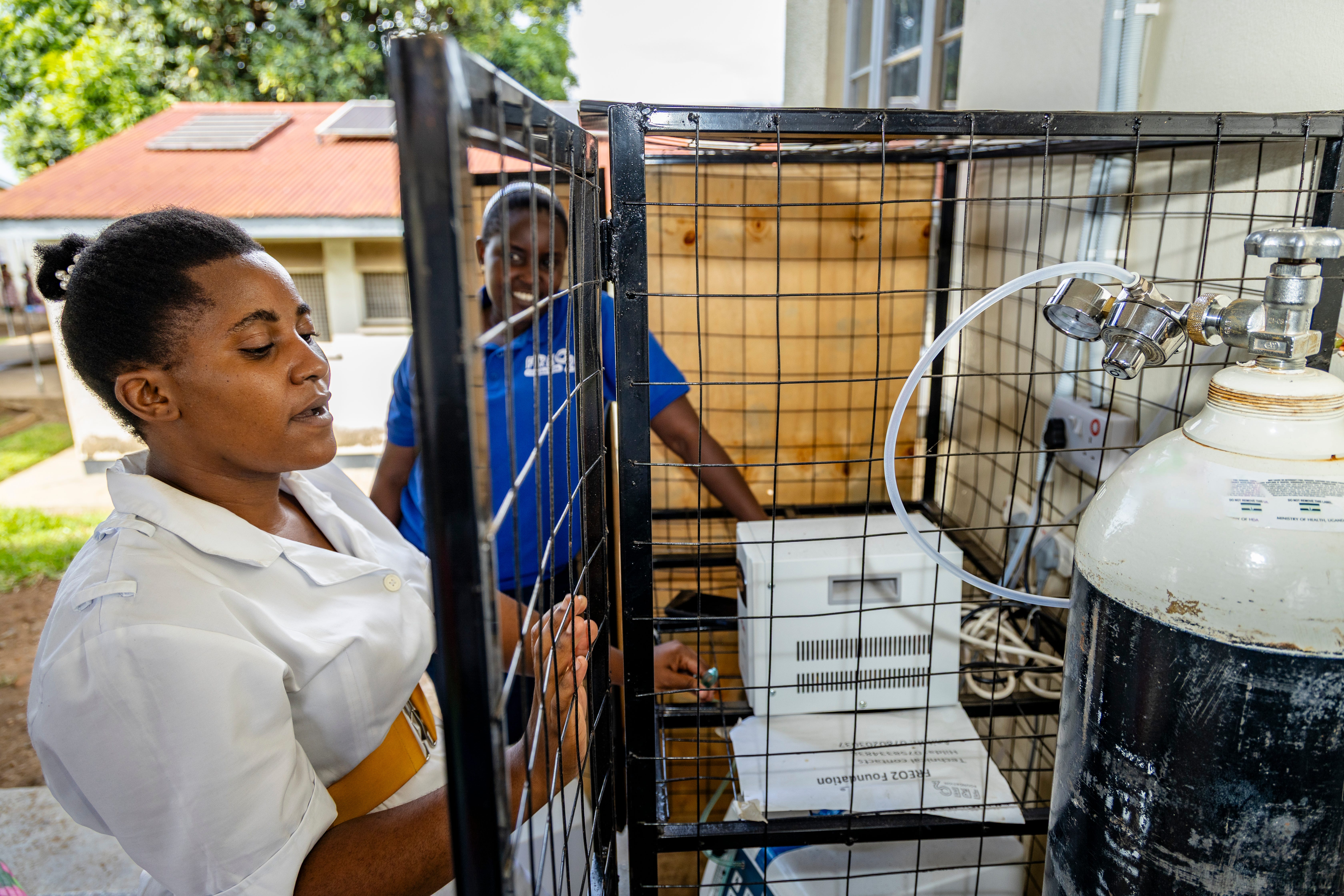
That’s where the CoLab’s Missing Middle approach comes in; to bridge the gap between production and patient care by empowering and growing a market of local providers to deliver oxygen as a service. Looking beyond production means focusing on the lived realities inside health facilities: ensuring health workers are trained to use oxygen safely and confidently, and that every concentrator or cylinder comes with the essentials needed to make it work at the bedside, such as training, maintenance and spare parts.
It also means strengthening the systems around those workers: reliable backup power so treatment is never interrupted, and awareness among caregivers and communities so oxygen is considered a lifeline, and not a last resort.
Working together towards sustainable access
Through Sheillah’s leadership, the Oxygen CoLab is working hand-in-hand with Uganda’s Ministry of Health, the National Drug Authority, UNICEF, and a growing group of local private oxygen providers who are bridging the gap between oxygen production and smaller health facilities. Together, we are:
Crowding in private players like FREO2 and AFHIA to expand Oxygen-as-a-Service models.
Supporting regulators to build a tiered framework that gives small and medium enterprises the confidence to invest.
Reforming procurement by working with National Medical Stores to pilot new contracting models that can buy oxygen as a bundled service, not as equipment only.
Advancing financing conversations so oxygen services are sustainably embedded in government budgets.
In recent months, that vision has begun taking shape. Thanks to Sheillah, the Oxygen CoLab has deepened collaboration with Uganda’s Ministry of Health, National Drug Authority (NDA), National Medical Stores (NMS), UNICEF, and CHAI to close the gap between policy and bedside care.
At the Annual Review of the National Oxygen Scale-Up Plan, the CoLab joined national actors to track progress and align on shared priorities: strengthening regulation and creating space for private providers. Soon after, at a British High Commission event in Kampala, fellow CoLabbers FREO2 and AFHIA showcased Oxygen-as-a-Service models that are already proving reliable oxygen delivery at lower cost.
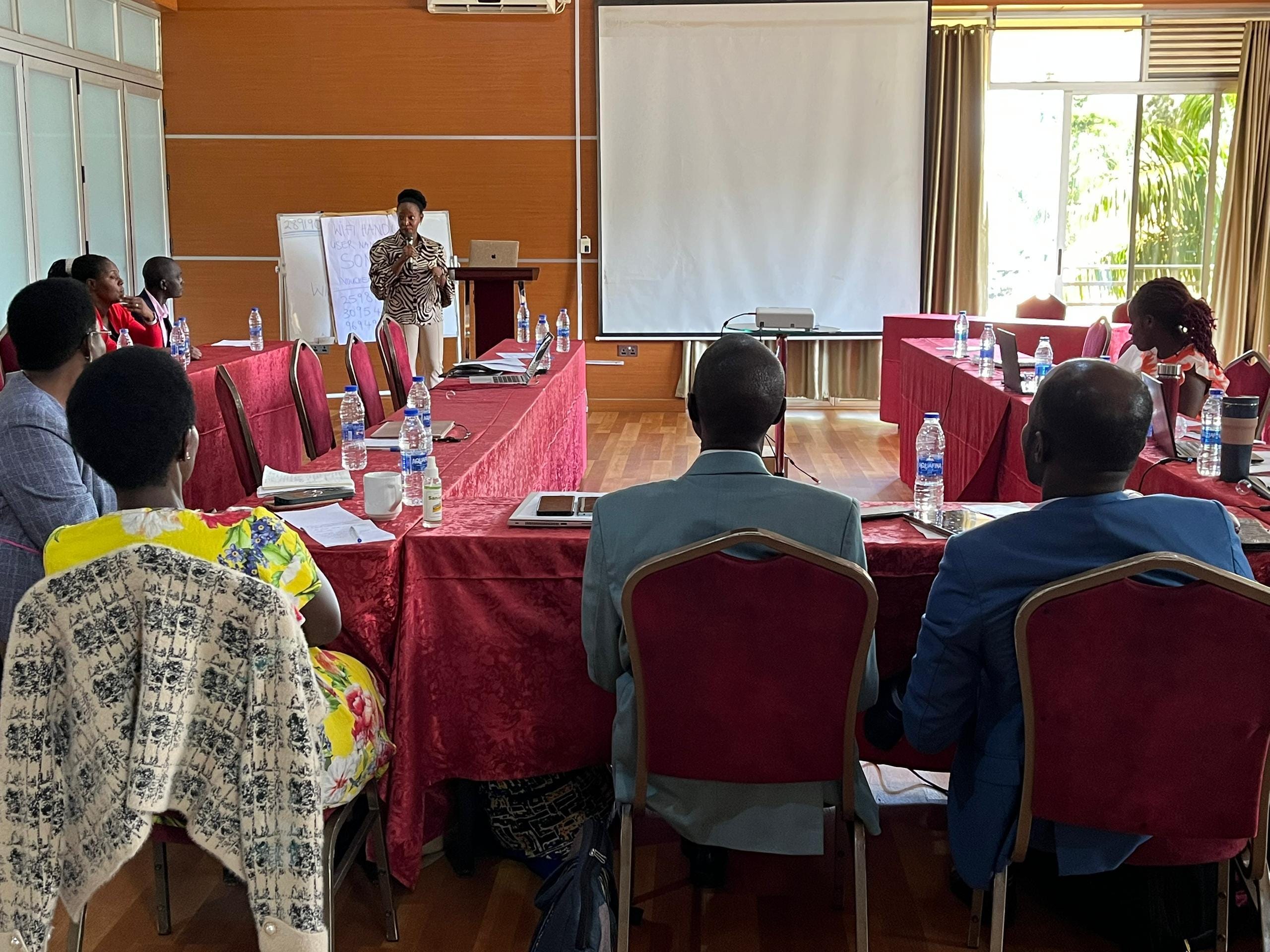
Building on this momentum, the CoLab and NDA have a goal to develop a capacity-building roadmap as well as new regulatory approaches that will enable oxygen providers to deliver safe, affordable oxygen. With NMS and the Ministry of Health, we’re exploring how to procure oxygen as a service, moving away from one-off equipment purchases toward sustainable delivery systems.
A future with no more empty wards
When asked what excites her most today, Sheillah talks about regulation. She envisions a future where regulators are equipped to set and enforce standards without stifling new entrants. She would like to see local businesses thriving because they can both comply with the regulations and guidelines while meeting the demand for quality oxygen.
By 2050, she imagines a Uganda where every facility has an oxygen system tailored to its needs, supported by regulation, procurement, and financing that guarantee reliability. Where local SMEs are thriving, and patients can trust the system.
“My hope,” Sheillah says, “is that no health worker will ever again walk back into an empty ward the way I once did.”
We’re growing our team
As Uganda’s oxygen market evolves, the next step is to understand it better. Who’s producing, who’s supplying, and where do gaps remain? That’s why we’re currently in the thick of a supplier mapping and market engagement exercise; to chart the country’s growing network of oxygen providers and strengthen the connections between them.
Stay tuned for what we learn. To discuss any of our work in Uganda, get in touch with Sheillah.
See you soon,
Mwaniki, on behalf of the Oxygen CoLab.